
Can New Zealand Really Stop Offshore Online Casinos After 2027?
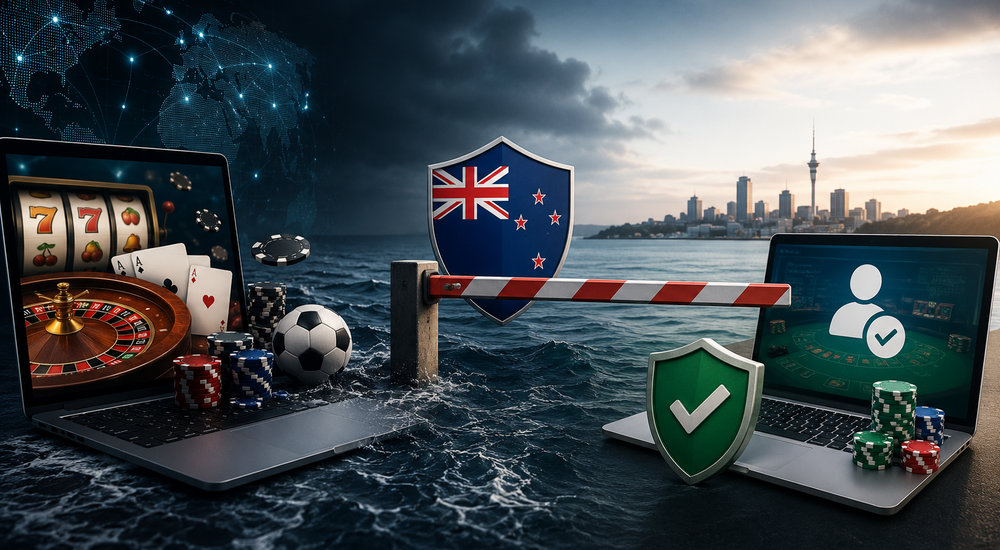
New Zealand is preparing for one of the most significant gambling reforms in its modern history. With the country moving toward a regulated online casino market expected to launch in 2027, policymakers are attempting to solve a long-standing problem that has existed for years: the dominance of offshore online casinos.
At present, New Zealanders can legally access overseas gambling platforms despite the absence of a domestic licensing framework for online casino operators. This has created a regulatory grey area where players participate in offshore gambling markets that are largely outside direct national oversight.
The proposed reforms aim to change that situation. According to recent regulatory developments, New Zealand plans to introduce a licensed market with a limited number of approved operators, stronger player protections, advertising controls, and financial compliance requirements (https://casinoaudit.net/blog/gambling-law-and-regulation/new-zealand-advances-online-casino-bill-ahead-of-2027-launch).
The central question remains highly debated across the gambling industry: can New Zealand realistically reduce or even stop offshore online casinos after 2027?
Why Offshore Casinos Became So Popular in New Zealand
The popularity of offshore gambling sites in New Zealand did not happen by accident. For years, international operators offered Kiwi players easy access to casino games, sports betting, cryptocurrency payments, and large game libraries without needing local licences.
This created several advantages for consumers:
- broader game selection
- faster registration processes
- access to international payment methods
- larger promotional ecosystems
- mobile-first gambling platforms
At the same time, New Zealand regulators had limited authority over these operators because most were based in jurisdictions such as Malta, Curaçao, Gibraltar, or the Isle of Man.
According to official estimates, hundreds of millions of dollars flow annually from New Zealand players to offshore gambling platforms. That financial outflow has become a major driver behind the push for regulation.
The Government’s Strategy for 2027
The upcoming framework is designed to encourage players to migrate toward licensed domestic operators while restricting the visibility and accessibility of offshore casinos.
Current proposals suggest New Zealand may issue around 15 online casino licences initially. Licensed operators would be required to comply with:
| Regulatory Area | Expected Requirement |
|---|---|
| Player Verification | Mandatory age and identity checks |
| Responsible Gambling | Self-exclusion systems and spending controls |
| Advertising | Strict marketing limitations |
| Payments | Compliance with AML monitoring |
| Data Protection | Local consumer safeguards |
| Operator Oversight | Continuous regulatory auditing |
This approach reflects broader international trends already seen across Europe and parts of North America, where governments increasingly prioritise regulated digital gambling ecosystems over uncontrolled offshore markets.
Can Offshore Casinos Actually Be Blocked?
Completely eliminating offshore online gambling is extremely difficult in practice. Even countries with highly sophisticated enforcement systems struggle to fully block international operators.
There are several reasons for this challenge.
Technology Makes Access Difficult to Control
Players can still access overseas sites through:
- mirror domains
- VPN services
- cryptocurrency transactions
- alternative payment processors
- mobile applications hosted offshore
The global nature of the internet makes it difficult for any single regulator to fully isolate users from international gambling markets.
Countries such as Norway and the Netherlands have attempted aggressive restrictions on offshore operators, yet many foreign sites continue attracting local traffic despite enforcement measures.
Payment Restrictions Could Become a Key Weapon
One of the most effective strategies may involve limiting financial transactions between New Zealand users and unlicensed gambling operators.
Several international markets have already demonstrated that payment restrictions can significantly reduce offshore gambling activity. Blocking bank transfers, credit card payments, and local payment processing can create enough friction to discourage casual users.
New Zealand authorities are reportedly exploring stronger financial monitoring systems as part of the upcoming framework. This aligns with wider global concerns around anti-money laundering compliance and digital gambling oversight.
Recent international market studies indicate that payment monitoring has become one of the most effective regulatory tools in reducing illegal gambling activity (https://www.unodc.org/unodc/en/money-laundering/overview.html).
Licensed Operators May Offer Better Consumer Protection
One factor that could genuinely reduce offshore gambling is player trust.
Many New Zealand consumers are becoming more aware of issues involving:
- delayed withdrawals
- unclear bonus conditions
- weak customer support
- lack of dispute resolution
- poor responsible gambling tools
A regulated local market could improve confidence by providing stronger accountability standards and legal oversight.
This may become especially important for younger digital consumers who increasingly value transparency and payment reliability over aggressive promotional offers.
Research from regulated European markets suggests that players often migrate toward licensed operators when the regulated experience becomes more competitive and user-friendly (https://www.gamblingcommission.gov.uk/statistics-and-research/publication/industry-statistics-may-2024).
Advertising Restrictions Could Create Unexpected Problems
While regulation may strengthen player protections, strict advertising rules could also produce unintended effects.
If licensed operators face heavy marketing restrictions while offshore platforms continue advertising indirectly through affiliates, social media, or influencer channels, unlicensed brands may still maintain strong visibility among New Zealand audiences.
This issue has already emerged in several regulated jurisdictions where black-market operators adapted faster than expected to evolving advertising rules.
As a result, enforcement may need to focus not only on operators themselves but also on affiliate ecosystems, sponsorship models, and digital marketing networks targeting Kiwi players.
Why the Transition Period Matters Most
The years immediately following the 2027 launch will likely determine whether New Zealand’s regulated market succeeds in reducing offshore gambling activity.
Success will depend on several factors:
| Market Factor | Potential Impact |
|---|---|
| Speed of licensing rollout | Faster launches may reduce offshore retention |
| Quality of local operators | Better UX may encourage migration |
| Payment efficiency | Fast withdrawals improve trust |
| Enforcement consistency | Weak enforcement may favour offshore brands |
| Consumer education | Awareness campaigns could reshape behaviour |
Industry analysts increasingly believe that regulation alone will not eliminate offshore gambling. Instead, the goal may be to gradually reduce reliance on unlicensed operators by making the legal market more attractive, transparent, and secure for New Zealand consumers.
The challenge for regulators is that offshore casinos are not standing still. International operators continue investing heavily in mobile infrastructure, crypto payments, and personalised user experiences, meaning New Zealand’s regulated ecosystem will need to remain highly competitive from day one.