
Gambling in New Zealand: how the system really works in a highly regulated market
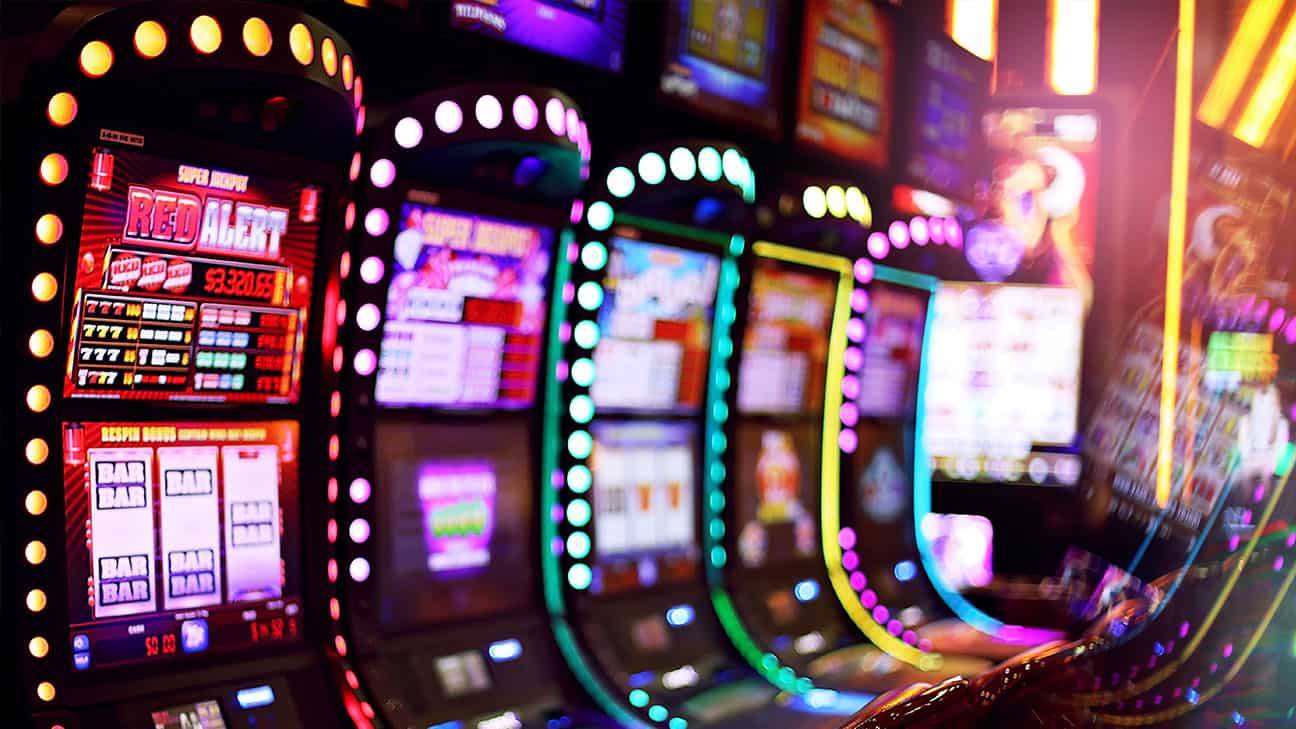
Gambling in New Zealand operates under a markedly different philosophy compared to many other English-speaking markets. Rather than focusing on rapid market growth or aggressive online expansion, the country places public wellbeing, community funding, and harm prevention at the centre of its gambling framework. This approach shapes everything from licensing rules to the limited availability of online casino products and explains why New Zealand often feels more restrictive than neighbouring Australia.
General approach to gambling in New Zealand
New Zealand treats gambling as a controlled activity rather than a commercial free-for-all. The legal backbone of the system is the Gambling Act 2003, which sets out clear objectives: limiting gambling harm, ensuring integrity, and directing proceeds toward authorised community purposes. Oversight sits primarily with the Department of Internal Affairs, which licenses operators, enforces compliance, and monitors harm-minimisation measures.
Unlike jurisdictions where regulation focuses mainly on player verification or taxation, New Zealand’s framework actively controls where gambling can occur and who may benefit financially from it.
Australia vs New Zealand: a quick regional contrast
Australia and New Zealand are often mentioned together, but their gambling cultures and regulatory styles diverge sharply. Australia is known for widespread access to gaming machines and a strong commercial wagering sector, while New Zealand applies a more centralised, socially focused model. The result is lower overall availability of gambling options, particularly online, but stronger alignment with public policy goals.
The class-based gambling system
One of the most distinctive features of the New Zealand market is its class-based structure for non-casino gambling. Rather than a single licence type, activities are divided into four classes based on scale and risk.
| Gambling class | Typical activities | Licence required | Key regulatory purpose |
|---|---|---|---|
| Class 1 | Small raffles and prize draws | No | Low-risk fundraising |
| Class 2 | Medium community gambling | No (conditions apply) | Controlled fundraising |
| Class 3 | Large-scale community gambling | Yes | Formal oversight |
| Class 4 | Gaming machines (pokies) outside casinos | Yes (strict) | Harm control and community funding |
Class 4 gambling is particularly significant because it covers gaming machines in pubs and clubs. These machines are considered higher-risk and may only be operated by licensed societies, with proceeds distributed to approved community causes.
Pokies as a social and regulatory issue
Pokies are the most visible form of everyday gambling in New Zealand, yet they are also the most controversial. Local councils can influence where machines are allowed, and many communities actively debate reductions or caps on machine numbers. This local-impact approach means gambling policy often intersects with public health, community funding, and urban planning.
Online gambling: what is actually allowed
New Zealand does not operate a broad domestic licensing system for online casinos. While residents can technically access offshore casino sites, these platforms are not licensed or regulated locally, leaving players without the same consumer protections seen in some other jurisdictions.
Where the government has taken decisive action is online racing and sports betting. Recent legislative changes restrict online racing and sports wagering to the domestic provider, TAB NZ, effectively blocking offshore competitors in this segment.
This selective approach highlights how New Zealand differentiates between gambling types rather than treating online play as a single category.
Payments and financial controls
Another defining feature of the New Zealand market is the role of financial institutions. Banks actively support harm-reduction initiatives and may block or restrict gambling-related transactions. This adds an extra layer of friction compared to markets where payments are largely unrestricted.
For players, this means fewer seamless deposit options and a stronger emphasis on monitoring spending behaviour.
Responsible gambling as an enforced obligation
Responsible gambling in New Zealand goes far beyond voluntary tools or footer disclaimers. Operators must actively promote harm-minimisation, and government health bodies treat gambling harm as a serious public issue affecting individuals and whānau.
Official guidance and treatment pathways are coordinated by the Ministry of Health, while frontline support is provided through services like the Gambling Helpline.
Key responsible-gambling mechanisms commonly referenced in New Zealand include:
- mandatory self-exclusion programmes
- venue-based staff intervention requirements
- national support and counselling services
What this means for players and operators
For players, New Zealand offers a tightly controlled environment with fewer options but stronger safeguards. For operators, the market is challenging: compliance costs are high, community obligations are mandatory, and expansion opportunities—especially online—are limited.
At the same time, this structure creates a system where gambling is less aggressively commercialised and more closely tied to social outcomes.
Final perspective
New Zealand’s gambling model is best understood not as restrictive for the sake of restriction, but as deliberately shaped around public interest. With strong regulation, limited online access, and a heavy emphasis on harm prevention, it represents one of the most socially conscious gambling frameworks in the English-speaking world.